Introduction to Nutrient-Rich Foods
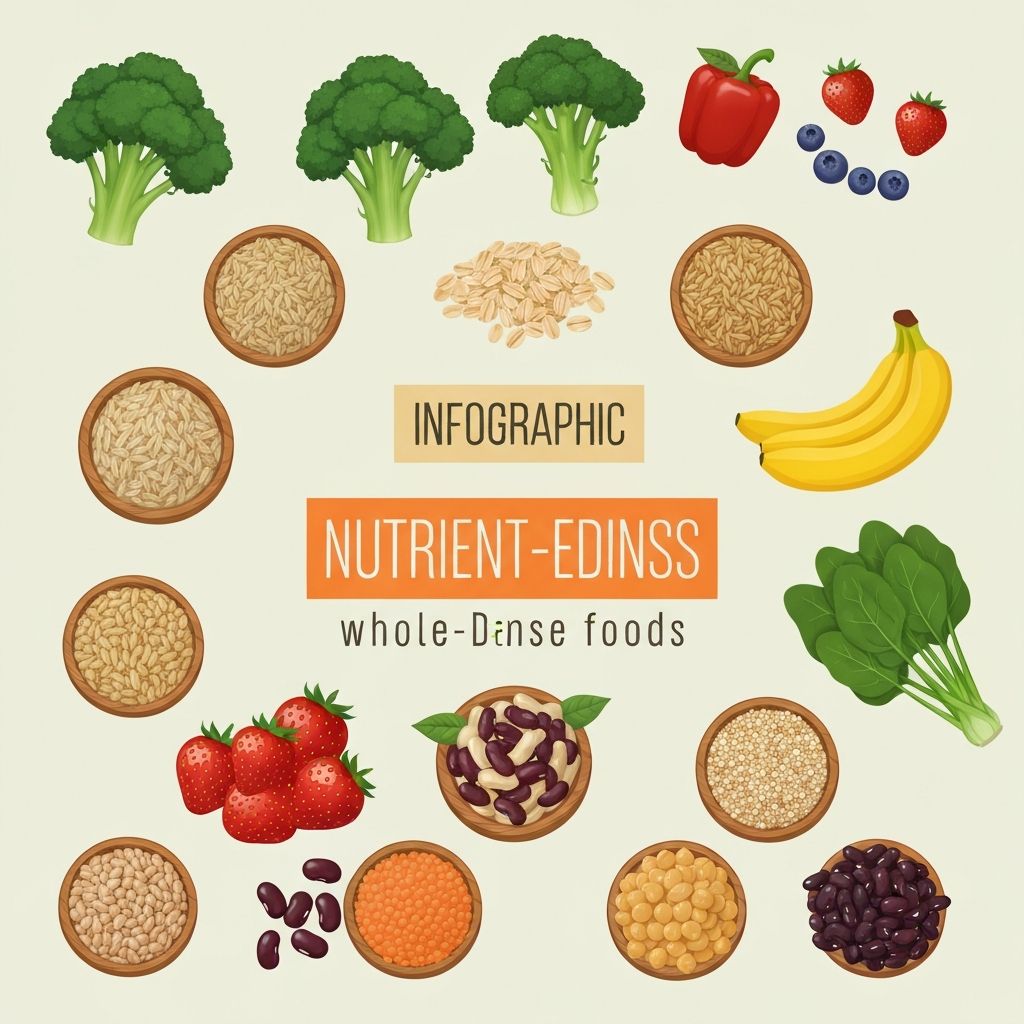
Nutrient-dense foods are those that provide substantial amounts of vitamins, minerals, and other beneficial compounds relative to their caloric content. These foods form the foundation of balanced nutrition and are essential for understanding how everyday meals contribute to overall wellness.
This educational resource explores the science behind nutrient-dense foods, their nutritional composition, and their role in daily meal planning. The information presented here is purely educational and aims to increase understanding of nutrition principles.
Learn More
Macronutrients and Micronutrients Overview
Macronutrients include carbohydrates, proteins, and fats. They provide energy and are needed in larger quantities. Different foods contain varying ratios of these essential components.
Micronutrients such as vitamins and minerals are required in smaller amounts but are critical for various bodily functions. Understanding the micronutrient content of foods helps in planning balanced meals.
A balanced approach to everyday meals involves selecting foods that collectively provide adequate amounts of both macro and micronutrients.
Explore FurtherDaily Meal Composition
Creating balanced daily meals involves understanding food groups and their nutritional contributions. Each meal can be structured to include various food categories that collectively provide a comprehensive range of nutrients.
Key Food Categories
- Vegetables and legumes
- Fruits and berries
- Whole grains and cereals
- Protein-rich foods
- Nuts, seeds, and healthy fats
Nutritional Balance
- Variety across meals
- Seasonal food selection
- Individual food preferences
- Portion awareness
- Consistency in eating patterns
Common Myths About Nutrient-Dense Diets
Myth 1: Nutrient-dense foods are expensive and hard to find. Reality: Many affordable options like beans, seasonal vegetables, and whole grains are highly nutrient-dense.
Myth 2: All nutrients must come from supplements. Reality: Whole foods provide a complex matrix of nutrients and compounds that supplements cannot replicate.
Myth 3: One specific diet is optimal for everyone. Reality: Individual needs vary based on age, activity level, preferences, and cultural background.
Read in Detail
Featured Articles
Nutrient-Rich Fruits and Vegetables
Explore the nutritional profiles of various fruits and vegetables and their contributions to daily nutrition.
Learn MoreProtein-Rich Foods
Understand various sources of protein and their role in balanced meals and everyday nutrition.
Learn MoreIncorporating Nutrient-Dense Foods
Learn practical approaches to integrating nutrient-dense foods into your everyday meal planning.
Learn MoreFrequently Asked Questions
What defines a nutrient-dense food?
A nutrient-dense food provides significant amounts of vitamins, minerals, and other beneficial compounds relative to its caloric content. These foods are central to understanding balanced nutrition.
How should I select foods for daily meals?
Selecting foods from various food groups ensures a diverse intake of nutrients. Consider seasonal availability, personal preferences, and nutritional composition when planning meals.
Is this information applicable to everyone?
This is general educational content. Individual nutritional needs vary based on age, activity level, health status, and personal circumstances. Approaches to nutrition are diverse and multifaceted.
Can nutrient-dense foods replace medical treatment?
This is purely educational information about food and nutrition. It does not replace medical advice or treatment. Consult appropriate professionals for health-related concerns.
Continue Your Learning
Educational content only. No medical services. No promises of outcomes.
Explore more articles and information about nutrient-rich foods and their role in everyday meals.
Read in Detail